CHAPTER ONE
Guest Families
The Chinese word “Hakka” literally means “guest families.” It was given to people who were already migrants long before any of them saw the sea — a population that had moved south from the Central Plains over centuries and settled in the hills of Guangdong and Fujian, on land the earlier arrivals had not wanted.
Our family came from Meizhou, in eastern Guangdong, which is the heart of the Hakka country. Early in the last century, like several hundred thousand others from those hills, they took a ship south.
We do not know what they did when they landed. It was almost certainly manual labour; in those days, there were few other ways to make a living. That is the honest answer, and it is the answer most Chinese families in Singapore and Malaysia would give if they were being truthful. Very few of us kept records. What we have instead is what came out the other side.
CHAPTER TWO
What They Carried Instead of Capital
In the Nanyang there was no credit bureau, no contract worth the cost of enforcing, and often no shared law at all. So the Chinese trading communities of Southeast Asia ran on reputation instead. Goods moved on the strength of a man's name, and that name was held jointly — by his family, his clan association, his hometown association, and his dialect group. To default was not only to lose money. It was to make your brother's word worthless and your son’s name unusable.
That system is the reason a labourer's son could become a trader within a single generation. He had no capital. But he could be given goods on credit if his name was good, and his name was the one thing his parents had been able to leave him.
CHAPTER THREE
1971
Jack Lim was born in Malaya in 1935, the son of those immigrants. He showed the instinct early, selling goods to places as distant as Fiji and the Solomon Islands before he had a company of his own. In 1971 he registered one in Singapore and called it Welcome Trading. The name was an invitation. He wanted people to feel they could walk in.
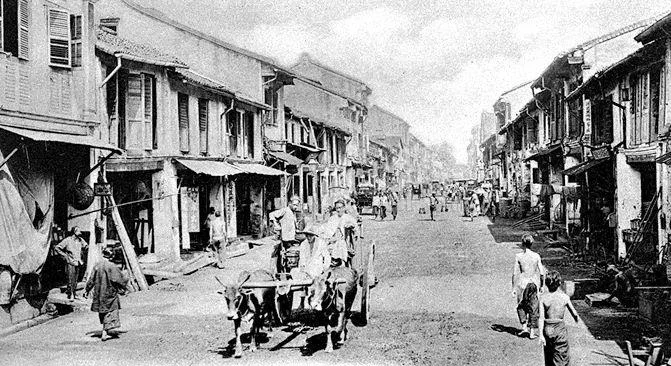
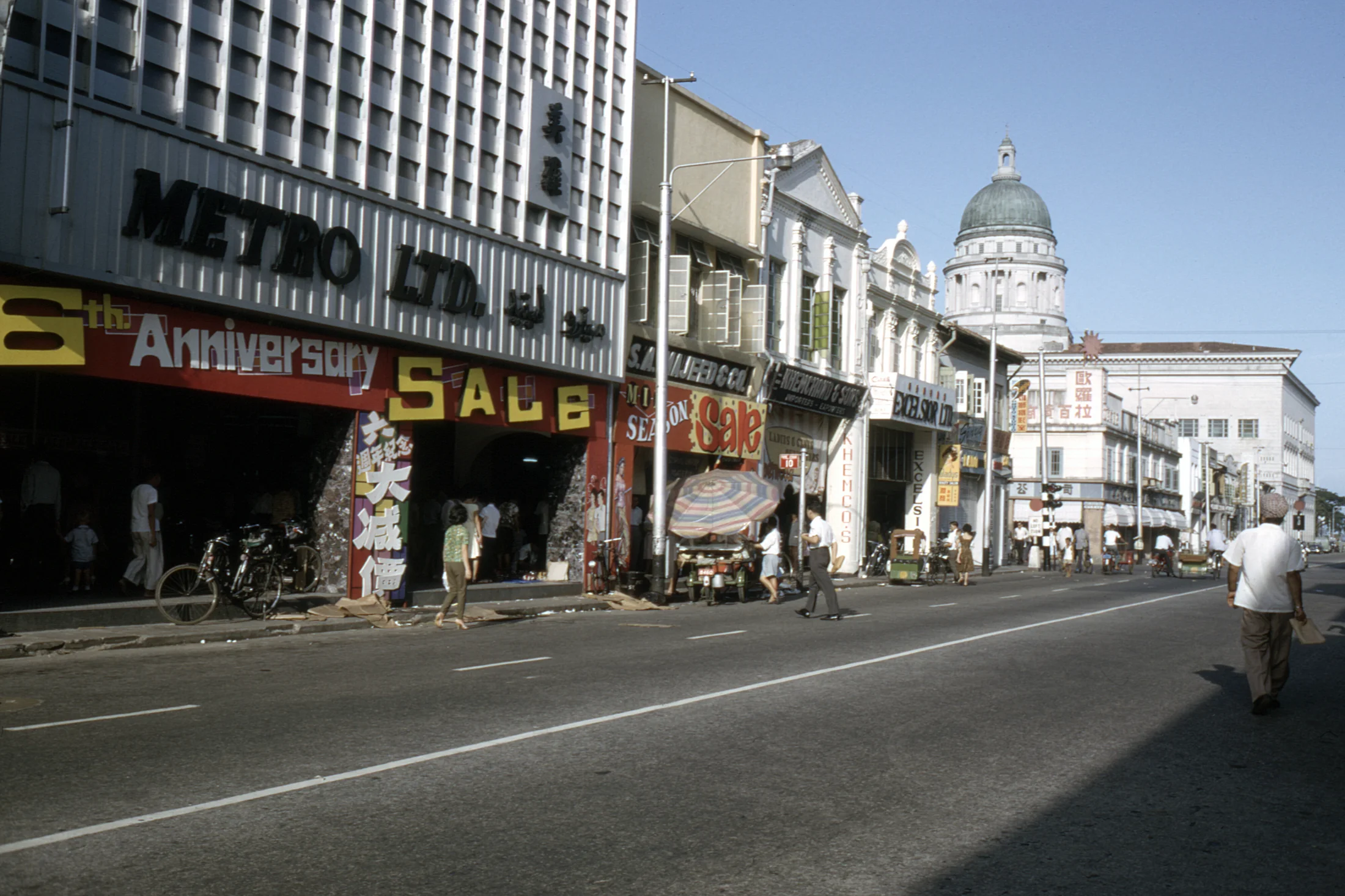
There was nothing unusual in this. Singapore in those years was full of small trading firms started by men in exactly his position, working out of shophouse offices along these same streets on borrowed money and a clean name. It is the ordinary history of Chinese business in Southeast Asia, repeated several thousand times over.
Most of those firms are gone.
CHAPTER FOUR
The House that Jack Built
The trade has always called a firm a house, and the word is well chosen. What he built was not an office.
He traded in an era of handwritten letters, stamps and airmail, of telex and operator-assisted calls, when goods and traders alike travelled by ship and a single transaction could take a season to close. What made a trader then was the willingness to travel far, wait patiently, and honour a commitment made long before the cargo arrived. He built his network one relationship at a time, and in those years each one cost a voyage.
In the 1970s he entered the Chinese market. In the 1980s he reached Vietnam. By the time his elder son joined the company in 1991 he was already serving on the board of the Singapore Chinese Chamber of Commerce and Industry, an institution founded in 1906 by merchants who had started where he started.
What he assembled was a body of people who would take his call, extend him terms, and deal with him again. That is a house.
CHAPTER FIVE
The Storms
The oil shock of 1973. The recession of 1985. The Asian financial crisis of 1997. SARS in 2003. The sub-prime collapse of 2008. The pandemic of 2020. Each of them ended trading houses considerably larger than ours.
A family business survives them for reasons that are unglamorous. It can take the long view, because there is no quarterly number to hit and no board to satisfy with growth it does not believe in; it can sit out a market for a year if the pricing makes no sense. It keeps its overheads honest. And it does not break its word when conditions turn, which is the only time a word is worth anything.
The difference between the firms that came through and the ones that did not was rarely brilliance. Usually it was whether the word held in a bad year.
CHAPTER SIX
Rubber and Metal
Jack had two sons, and between them they carry the two halves of the business.
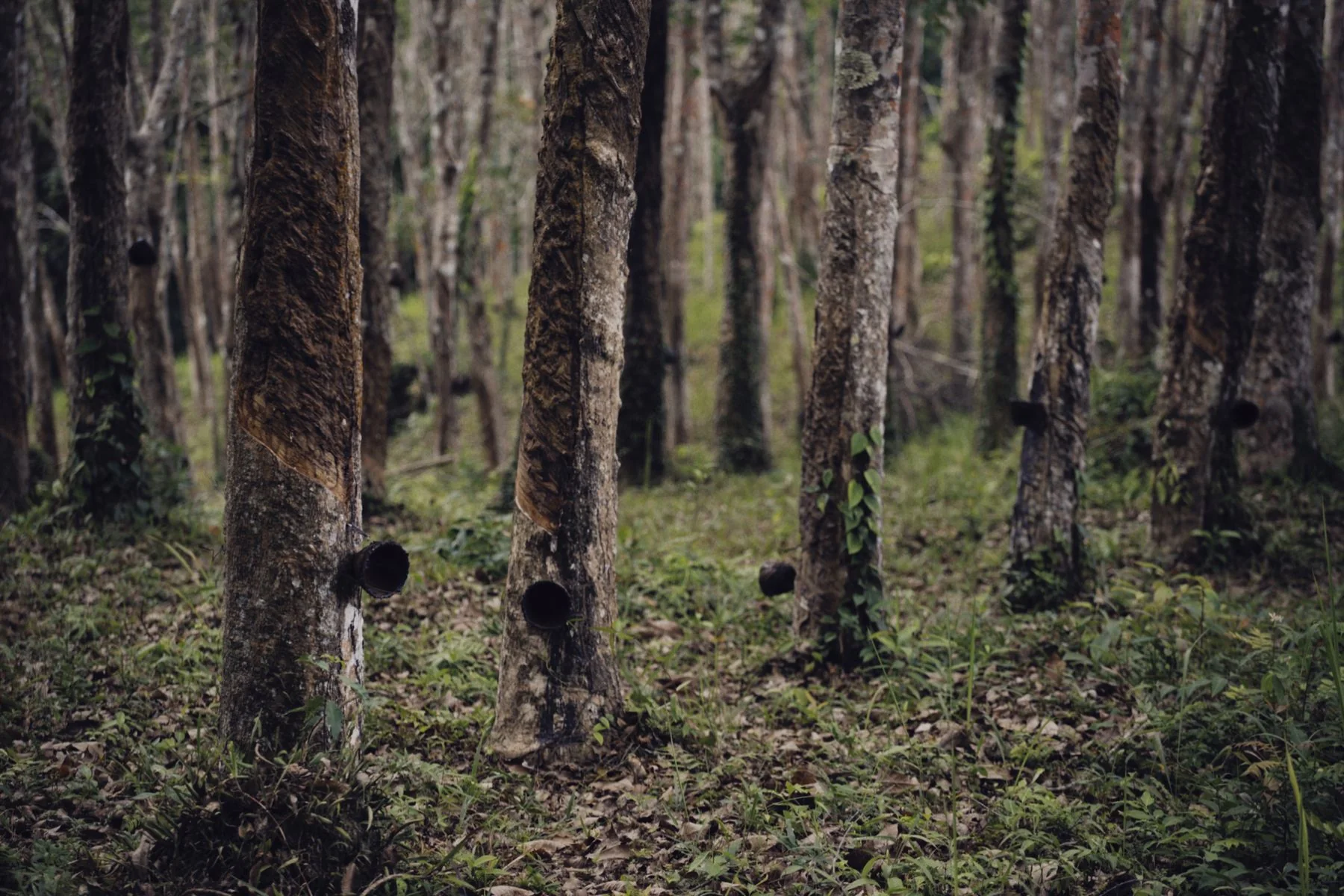
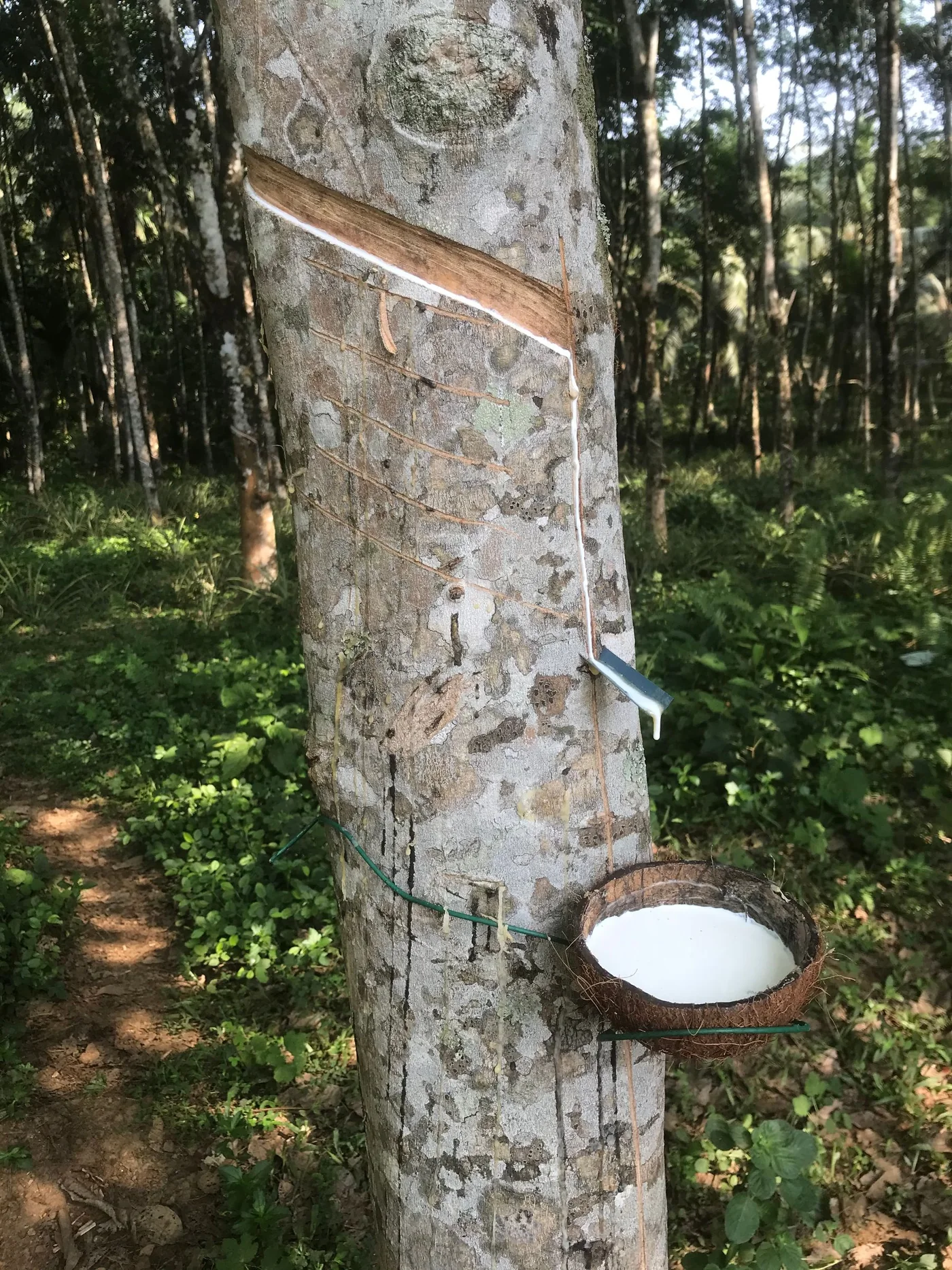
CW Lim handles natural rubber — the commodity on which Chinese commerce in Singapore and Malaya was built. He sources today from Thailand, Malaysia and Indonesia, and from Vietnam, Myanmar and Cambodia. Read that list again: it is the map of the Nanyang.
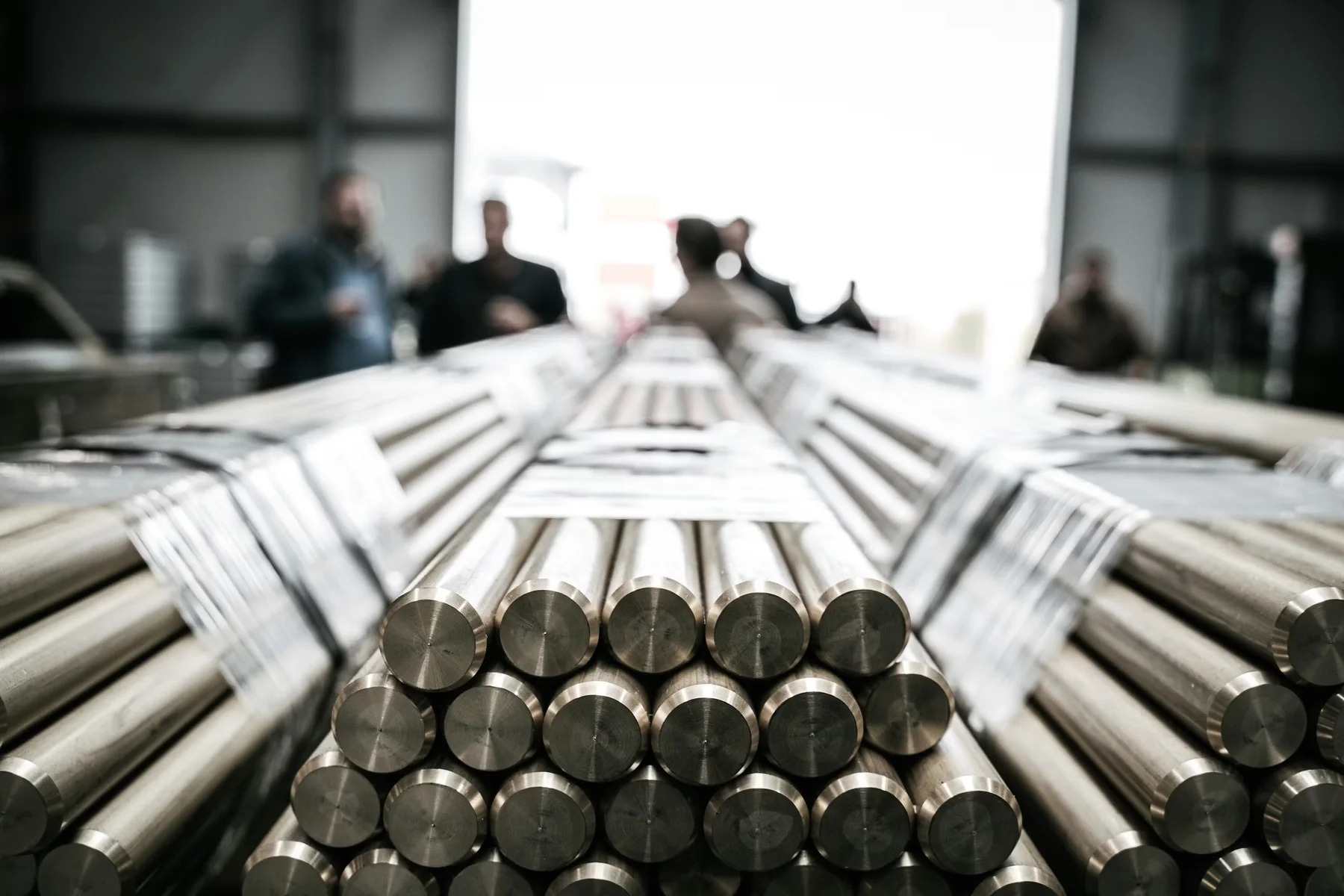
CL Lim handles metals. The Hakka who came to Malaya went in great numbers into the tin fields of Perak and Selangor, so there is a long association between these hill people and metal. Whether any of it runs in our own family we cannot say. What we can say is that CL has spent thirty-five years in it.
He joined in 1991 and went almost immediately to Vietnam, which was then opening and had not yet built the banking and foreign exchange machinery that trade normally runs on. So he traded the way the Nanyang had always traded before letters of credit existed: countertrade and barter, goods set against goods, the deal held together by what each side was willing to stand behind. In 1992 he opened the company’s first representative office there.
He learned the business on a telex machine, trading chemicals, steel, paper, coffee and black pepper. Welcome Trading was then an entrepôt house in the literal sense: goods came into Singapore, were re-packed into fresh containers, and went out again to other markets. None of that work was abstract.
His great-grandparents would have understood the arrangement perfectly.
CHAPTER SEVEN
Adding Value
Information was once the trader’s advantage. Knowing what a mill in one country needed and what a supplier in another had was worth money, because it was genuinely hard to know. That gap has closed. A buyer can find a producer in an afternoon.
So we ask of every line of business a simple question: what do we actually add? The answer has moved us further along the supply chain. Inventory finance, so a producer is not carrying working capital it cannot spare. Logistics structuring, where freight and handling decisions affect landed cost more than the metal price does. Agency representation for mills and extruders entering markets where they have no presence and no local reading of credit risk. Processing arrangements. Market development into geographies a producer would take years to open alone.
CHAPTER EIGHT
What Does Not Change
The house was built for a trade that no longer exists, and keeping it standing means changing what happens inside it. Jack would have recognised that. Over fifty years he changed everything about how he worked and nothing about the terms on which he worked.
Our word is our most important asset. We are candid and straightforward with our clients. We deliver what we promise.
There is nothing exceptional in any of this. A family crossed an ocean with nothing and kept its name clean. A son built a house on that name. Two more are keeping it standing. A great many firms in this city could tell a version of the same story, and most of the ones we have dealt with longest would tell it better.
Fifty-five years on, the house still stands, and the door is where he left it.